Get Stone Column Installation
Stone column installation services help stabilize and strengthen weak or problematic soil for construction projects like foundations, retaining walls, or embankments by using experienced local contractors.
If you are considering stone column installation for your property, you’ve come to the right place. Property owners in the area often explore this service to improve soil stability, enhance foundation support, or address drainage challenges. Understanding your options and comparing local contractors can help ensure the project aligns with your specific needs and long-term goals. Keep reading to learn more about how stone columns might benefit your property and how to connect with experienced service providers in the community.
Choosing the right local contractors for stone column installation involves reviewing their experience and expertise in similar projects. Many property owners find value in exploring multiple options to identify professionals who can deliver quality results tailored to their site conditions. As you continue, you'll find resources to help you evaluate local service providers, making it easier to plan your project with confidence.
- Commercial Construction - when a business needs to stabilize soil for building foundations or parking lots.
- Residential Landscaping - to improve soil stability and drainage around home gardens and yards.
- Infrastructure Projects - for stabilizing ground in roadways, retaining walls, or public works projects.
- Environmental Remediation - when soil reinforcement is necessary to prevent erosion or manage contaminated sites.
- Industrial Site Development - to support heavy equipment installation and ensure ground stability on large-scale projects.
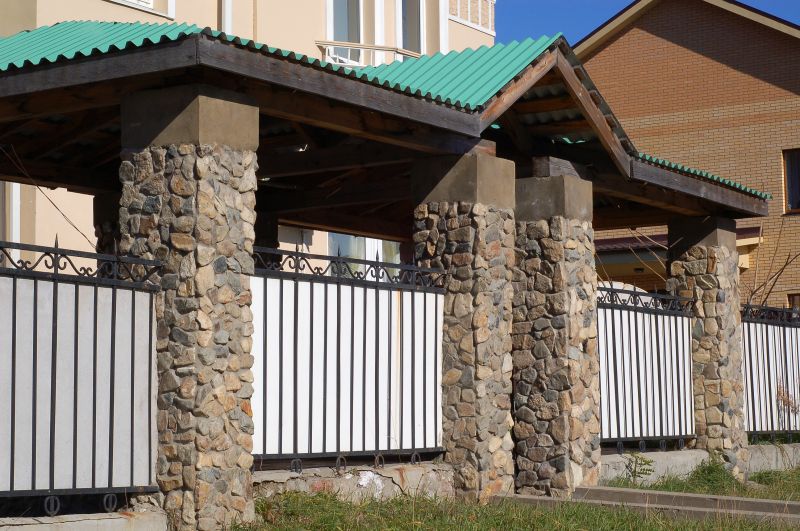
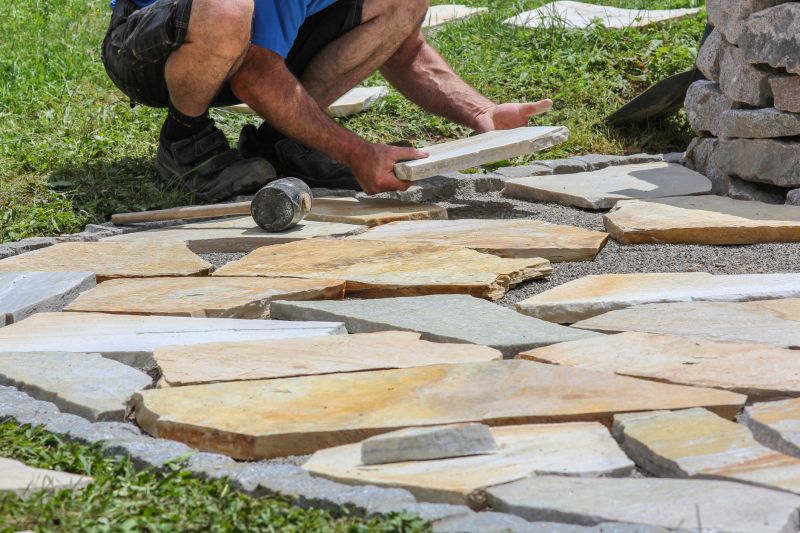
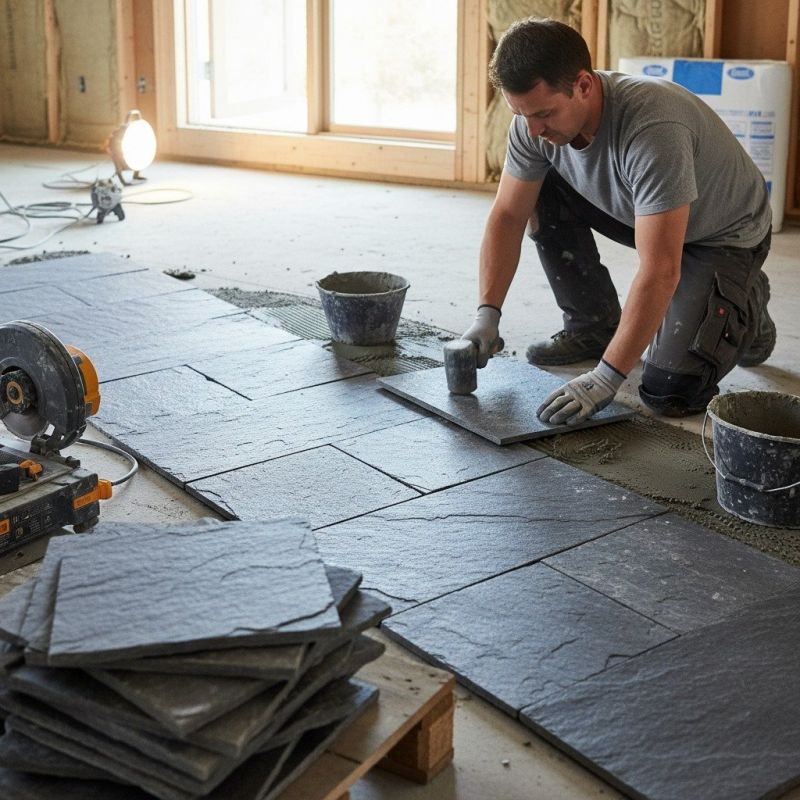
Stone column installation services involve the strategic placement of steel-reinforced concrete or stone-filled columns into the ground to improve soil stability. This process typically begins with a site assessment to determine the soil conditions and identify areas prone to shifting or settling. Once the assessment is complete, contractors drill or excavate holes at specific locations, then fill these with stone or concrete, creating columns that extend below the surface. These columns work to reinforce the soil, providing a stronger foundation for structures and reducing the risk of uneven settling or ground movement over time.
This service is particularly effective in solving problems related to unstable or soft soil, which can cause issues such as uneven settling of foundations, cracks in walls, or tilting of structures. It is often used to stabilize properties built on clay, silt, or other compressible soils that are prone to shifting. By installing stone columns, property owners can improve load-bearing capacity and reduce the likelihood of future foundation problems. This makes stone column installation a practical solution for homes and commercial buildings experiencing or at risk of ground movement.
Properties that typically utilize stone column installation include residential homes with uneven or shifting foundations, as well as commercial or industrial buildings situated on problematic soils. It is also common in areas where excavation or construction has disturbed the ground, or where previous foundation issues have been identified. Additionally, properties located on slopes or in regions with high groundwater levels may benefit from this stabilization method. Service providers who handle these projects can tailor the installation process to the specific needs of each property, ensuring a more stable and secure foundation.
Homeowners who notice signs of foundation movement, such as cracks in walls, sticking doors, or uneven floors, might consider consulting with local contractors about stone column installation. This service can help address underlying soil problems that contribute to structural issues, providing a long-term solution for ground stability. Whether for new construction or to remediate existing foundation concerns, property owners can contact local pros experienced in stone column installation to evaluate their site and determine the most appropriate stabilization approach.
The overview below groups typical Stone Column Installation projects into broad ranges so you can see how smaller, mid-sized, and larger jobs often compare in your area.
In many markets, a large share of routine jobs stays in the lower and middle ranges, while only a smaller percentage of projects moves into the highest bands when the work is more complex or site conditions are harder than average.
Smaller Repairs - for minor stone column repairs or reinforcement, local contractors typically charge between $250 and $600. Many routine jobs fall within this range, though costs can vary based on the scope of work and location.
Standard Installations - installing new stone columns or replacing existing ones usually costs between $1,000 and $3,000 per project. Most projects in this category are straightforward, with fewer exceeding the higher end of the range.
Complex Projects - larger or more intricate stone column installations, such as custom designs or structural modifications, can range from $3,500 to $7,000 or more. These projects are less common and tend to involve specialized labor and materials.
Full Replacement - complete removal and replacement of multiple stone columns can reach $8,000 or higher depending on size, number, and site conditions. Such extensive work is typically at the higher end of the cost spectrum due to complexity and scope.
Actual totals will depend on details like access to the work area, the scope of the project, and the materials selected, so use these as general starting points rather than exact figures.
Soil Stabilization Projects - Local contractors skilled in soil stabilization use similar techniques and equipment as stone column installation to improve ground strength and reduce settlement issues.
Deep Foundation Piling - Piling projects require planning and the use of specialized drilling tools, paralleling the skills needed for installing stone columns to support structures.
Ground Improvement Services - Ground enhancement methods such as vibro-compaction or grouting involve planning and equipment comparable to those used in stone column installation.
Retaining Wall Construction - Building retaining walls often involves ground stabilization techniques similar to stone column installation to ensure stability and support.
Underpinning Services - Underpinning involves deep ground work and soil reinforcement methods that share planning and equipment with stone column projects.
Geotechnical Soil Testing - Geotechnical testing provides essential data for ground improvement projects, aligning with the planning phase of stone column installation services.
When evaluating potential service providers for stone column installation, it’s important to consider their experience with similar projects. Homeowners should look for local contractors who have a proven track record of completing projects comparable in scope and complexity. Asking about past work can provide insight into their familiarity with site conditions and the specific techniques required for effective stone column installation. This helps ensure that the chosen provider understands the unique challenges of the project and has the practical know-how to handle it successfully.
Clear, written expectations are essential when comparing local pros for this type of work. Homeowners should seek detailed proposals that outline the scope of services, materials to be used, and any relevant project milestones. Having this information in writing helps prevent misunderstandings and provides a basis for evaluating whether the contractor’s approach aligns with the project’s goals. Well-defined expectations also serve as a foundation for open communication, making it easier to address questions or adjustments as the work progresses.
Reputable references and good communication are key indicators of a reliable local contractor. Homeowners can ask for references from previous clients who had similar stone column installation projects to gauge satisfaction and quality of work. Additionally, paying attention to how promptly and clearly the contractor communicates during the initial inquiry can reveal their professionalism and willingness to collaborate. Choosing a service provider who values transparency and maintains open lines of communication can contribute to a smoother project experience and successful results.
Property owners use Stone Column Installation services for practical projects around their homes and businesses. This guide focuses on everyday jobs and straightforward project options.

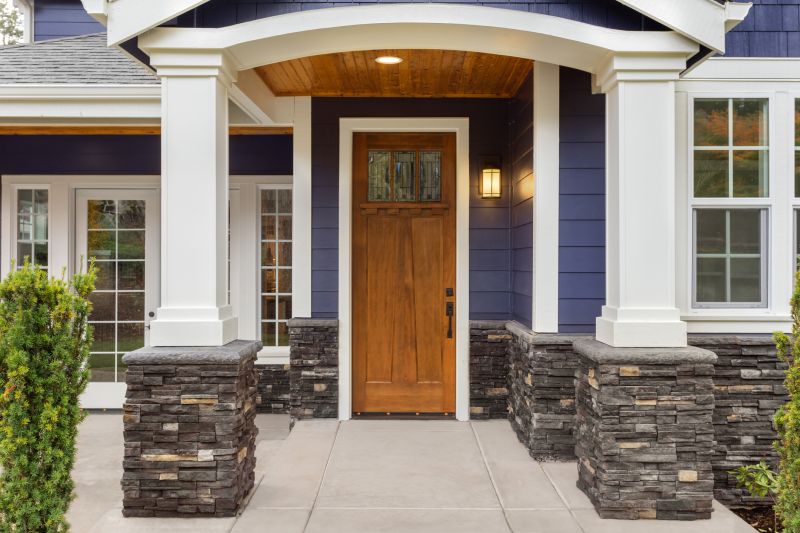
Stone column installation services are commonly sought after for projects involving soil stabilization and foundation support. Property owners may need this work when dealing with issues like shifting or settling ground, especially in areas prone to erosion or poor soil conditions. Local contractors can help improve ground stability for new construction, landscaping, or drainage improvements, ensuring that structures remain secure and level over time.
Many property owners look for stone column installation to address existing foundation concerns or to prepare a site for future development. This service can also be useful for reinforcing weak or unstable soil around retaining walls, driveways, or patios. Connecting with experienced local service providers can provide the expertise needed to assess the site and determine the best solution for long-term stability and safety.
What are stone columns used for in construction? Stone columns are used to improve soil stability and drainage, often serving as a foundation support or ground reinforcement solution.
How do stone column installation services work? Local contractors evaluate the site, design a suitable stone column system, and install the columns to enhance ground strength and stability.
Are stone columns suitable for all types of soil? Stone columns are most effective in certain soil conditions, such as loose or soft soils, but a professional assessment can determine if they are appropriate for a specific project.
What is the typical process involved in installing stone columns? The process generally involves ground excavation, insertion of stone columns, and compaction to ensure stability, all handled by experienced service providers.
Can stone columns be integrated with other foundation systems? Yes, stone columns can often be combined with other foundation techniques to improve overall ground support, depending on the project requirements.
Foundation Stabilization - Property owners can use stone column installation to reinforce weak or shifting foundations, providing added stability for buildings and structures.
Soil Improvement - This service helps improve soil load-bearing capacity, making it suitable for new construction or landscaping projects.
Erosion Control - Stone columns can be part of solutions to reduce soil erosion on slopes or around retaining walls.
Drainage Enhancement - Installing stone columns can improve drainage around a property, helping to prevent water accumulation and related issues.
If you are thinking about Stone Column Installation for a property, this guide is meant to help you understand the work, the typical project types, and how different options might fit your plans.
When you are ready, you can use the quote form on this page to share a few details about your project. From there, local pros can review the basics and respond with options that match what you have in mind.